Recipes / Sauerkraut with onions Квашеная капуста с луком
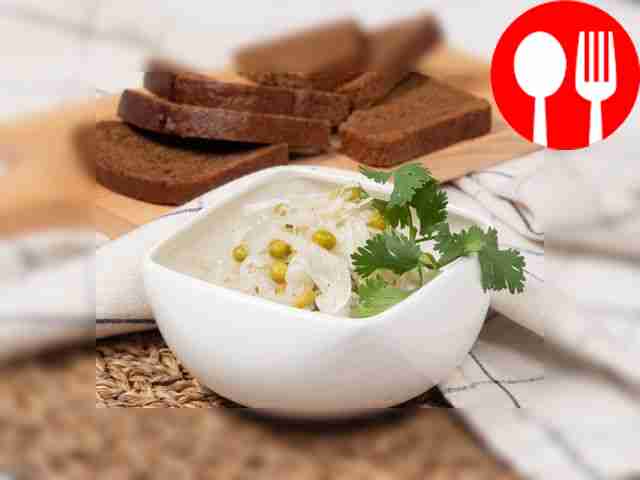
Sauerkraut is rich in vitamins A, B and C, and the amount of the latter is greater than in lemon. The recipe for sauerkraut with onions is iconic for Russian cuisine. In Rus' there were even traditions associated with sauerkraut. According to one of them, at the end of September the entire village had to ferment cabbage. Girls and women gathered together, cut and placed cabbage in oak barrels. Cooking was always accompanied by cheerful songs and various performances.
Квашеная капуста насыщена витаминами A, B и C, причём содержимого витамина C заметно больше, чем в лимоне. Рецепт квашеной капусты с луком стал одним из культовых блюд русской кухни. На Руси существовали обряды, связанные с квашеной капустой: по преданию, в конце сентября всем селением следовало заняться квашением капусты. Девушки и женщины собирались вместе, резали головки и укладывали капусту в дубовые бочки. Процесс приготовления сопровождался весёлыми песнями и разнообразными забавами.
Steps / Шаги:
-
Wash the vegetables, peel the carrots. Remove the top leaves from the cabbage. Peel the onion. Chop the cabbage thinly. Grind the carrots on a grater. Cut the onion into half rings. Wash and chop the parsley for serving. Prepare a container in which the cabbage will be fermented.
Овощи помойте, морковь очистите от кожуры. С капусты снимите верхние листья. Лук очистите от шелухи. Капусту тонко нашинкуйте. Морковь измельчите на терке. Лук нарежьте полукольцами. Зелень петрушки для подачи помойте и нарежьте. Подготовьте емкость, в которой будет кваситься капуста. -
Prepare the vegetables. Mix cabbage, onions and carrots and pepper them. Add dill seeds and bay leaves. Then grind the mixture with salt to release the juice.
Подготовьте овощи. Смешайте капусту, лук и морковь и поперчите их. Добавьте семена укропа и лавровые листья. Затем смесь перетрите с солью, чтобы выделился сок. -
Ferment the cabbage. Place the vegetables in the container in which you will ferment the cabbage. Compact them and cover with a plate, place a weight on top and leave the cabbage for 3 days. After this time, pierce the cabbage to the bottom using a wooden skewer. On the fourth day, squeeze out the vegetables and put them in jars.
Заквасьте капусту. Овощи выложите в тару, в которой будете квасить капусту. Утрамбуйте их и накройте тарелкой, сверху положите груз и оставьте капусту на 3 дня. Спустя это время проткните капусту до дна с помощью деревянной шпажки. На четвертый день овощи отожмите и уложите в банки. -
Serve sauerkraut with onions in true Russian traditions - with parsley and unrefined sunflower oil.
Подайте квашеную капусту с луком в настоящих русских традициях — с петрушкой и подсолнечным нерафинированным маслом.
Recipe from foods3.su